As a RIB owner, your boat is more than just a vessel; it’s your gateway to the rugged beauty of the Scottish coastline and the vast waters of Northern England. Whether you are navigating the unpredictable tides of the Firth of Forth or exploring the Lake District, your safety and performance depend entirely on the integrity of your tubes.
However, even the most well-maintained collars have a lifespan. While a small puncture can often be fixed with a quick patch, there comes a point where "making do" becomes a safety risk. Deciding when to move from DIY repairs to a professional retube is a major milestone in your boat's life.
At RIB Retube, based in our specialist workshop in Livingston, West Lothian, we help owners from across the UK breathe new life into their hulls. If you’ve been reaching for the glue kit more often than the throttle, here are the five definitive signs that your RIB is ready for a professional Orca Hypalon overhaul.
1. The "Sticky Tube Syndrome" (Chemical Degradation)
One of the most common complaints we hear at our Livingston workshop involves tubes that have become "tacky" or "sticky" to the touch. You might notice that after a day in the sun, the fabric feels like it’s covered in a thin layer of syrup, or perhaps your cleaning cloths are coming away stained with the colour of the boat.
This is known as plasticiser migration. It is a chemical failure almost exclusive to older PVC tubes. Over time, the chemicals that give the PVC its flexibility begin to break down and migrate to the surface.
The Verdict: Once this chemical breakdown starts, no amount of cleaning or patching will save the tubes. In fact, adhesives will no longer bond to the surface because the material is effectively "self-lubricating" with its own degrading chemicals. If your boat is sticky, a full professional retube in Hypalon - which is a synthetic rubber and does not suffer from this issue - is the only permanent solution.
2. Constant Pressure Loss (The "Ghost" Leak)
We’ve all been there: you pump your tubes up to the correct PSI on Friday night, only to find the boat looking "baggy" by Saturday morning. You’ve gone over every inch with soapy water, but you can’t find a single bubble.
This is what we call the "Ghost Leak," and it usually points to one of two serious internal issues:
- Porous Fabric: Over years of use, the airtight coating on the inside of the fabric wears thin. Air begins to "wick" through the polyester weave of the fabric itself.
- Failing Baffles: If one chamber is losing air into the next, your internal baffles have failed. This compromises the safety of the boat, as the independent chambers are meant to keep you afloat even if one is punctured.
The Verdict: You cannot "patch" a boat that is porous across the entire surface. If your boat is losing pressure due to age-related fabric fatigue, it’s time to stop pumping and start retubing.
3. Extensive UV Fading and "Crazing"
The Scottish and UK climate may be famous for its clouds, but UV degradation is a silent killer of inflatable boats. Over a decade or more, the sun’s rays (even on overcast days) break down the molecular structure of the fabric.
You will notice this as:
- Chalking: A white, powdery residue on the surface.
- Crazing: Tiny, spider-web-like cracks that appear when the tube is fully inflated.
- Deep Fading: A significant loss of colour that makes the boat look tired and dated.
The Verdict: Crazed fabric is brittle fabric. Brittle fabric is prone to "zipper" splits - where a small nick turns into a catastrophic, full-length tear while you are under power. Upgrading to Orca Hypalon provides industry-leading UV resistance, ensuring your new tubes stay supple and vibrant for decades, not just seasons.
4. Delamination at the Seams or Transom
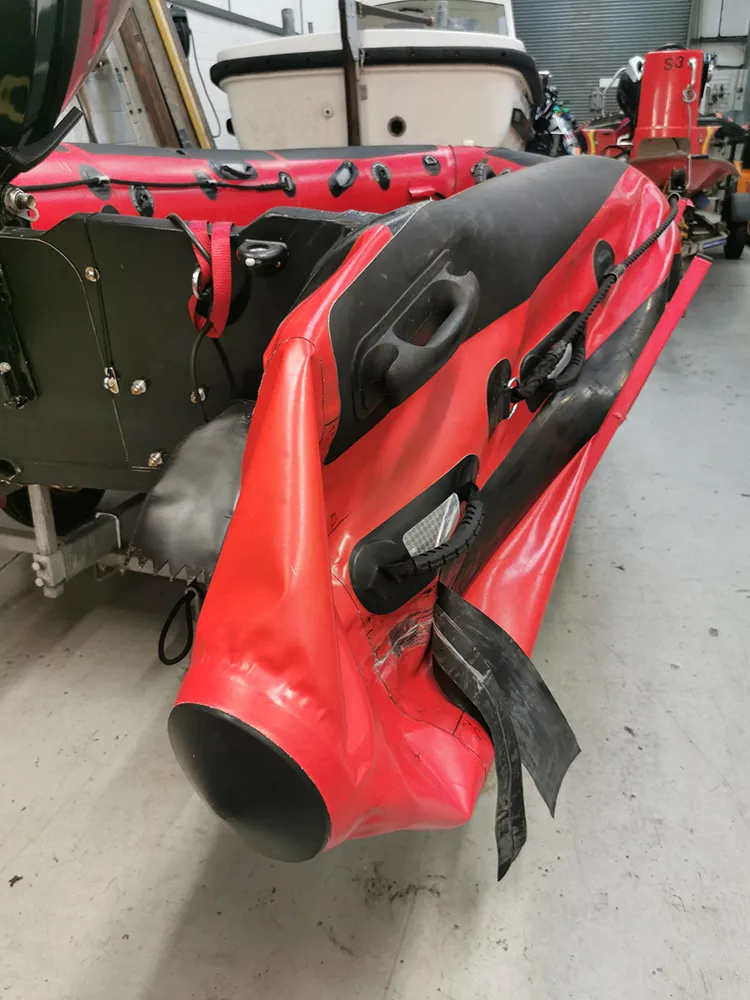
A RIB is a composite machine; the bond between the inflatable collar and the GRP (glass-reinforced plastic) hull is where the most stress occurs. If you notice the fabric lifting away from the hull, or if the "tabs" around the transom are starting to peel, you are looking at a structural failure.
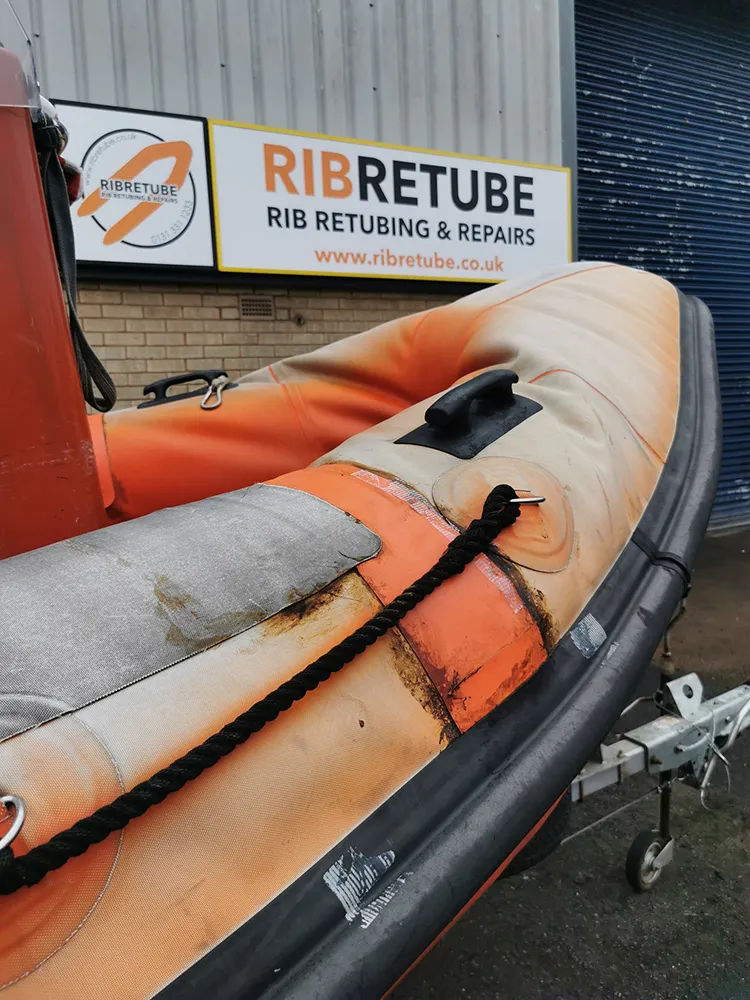
In many older boats, the glue itself reaches its "shelf life" and simply stops holding. You might see "furry" or brown glue residue where the seams are starting to gape.
The Danger: If your tubes detach from the hull at high speed, the results can be disastrous. While some minor lifting can be repaired, widespread delamination usually indicates that all the glue on the boat is failing.
The Verdict: A professional retube involves stripping the boat back to the bare hull, grinding away the old glue, and creating a fresh, factory-strength chemical bond with new Hypalon. It is the only way to guarantee the structural integrity of the vessel.
5. You’ve Outgrown the Maintenance
Sometimes, the sign isn't a single failure, but a cumulative one. If your boat has more patches than original fabric, it’s a sign that the material is simply worn out.
Consider the Economic Argument: Constant "emergency" repairs are expensive and eat into your budget and precious time on the water.
- Resale Value: A 15-year-old boat with original, faded tubes is hard to sell. A 15-year-old hull with brand-new, custom-colored Orca Hypalon tubes often fetches a premium price on the second-hand market.
- Peace of Mind: Knowing you can head out into the North Sea or the Atlantic without a foot pump on board is priceless.
The Verdict: Retubing turns a "project boat" back into a reliable, high-performance machine. It is a fraction of the cost of buying a new RIB but offers almost the same lifespan.
Why Customers Travel to RIB Retube in Livingston
We understand that a retube is a significant investment. That’s why owners from the Scottish Highlands, The Lake District, and Northern England choose to bring their boats to our specialist facility in Livingston.
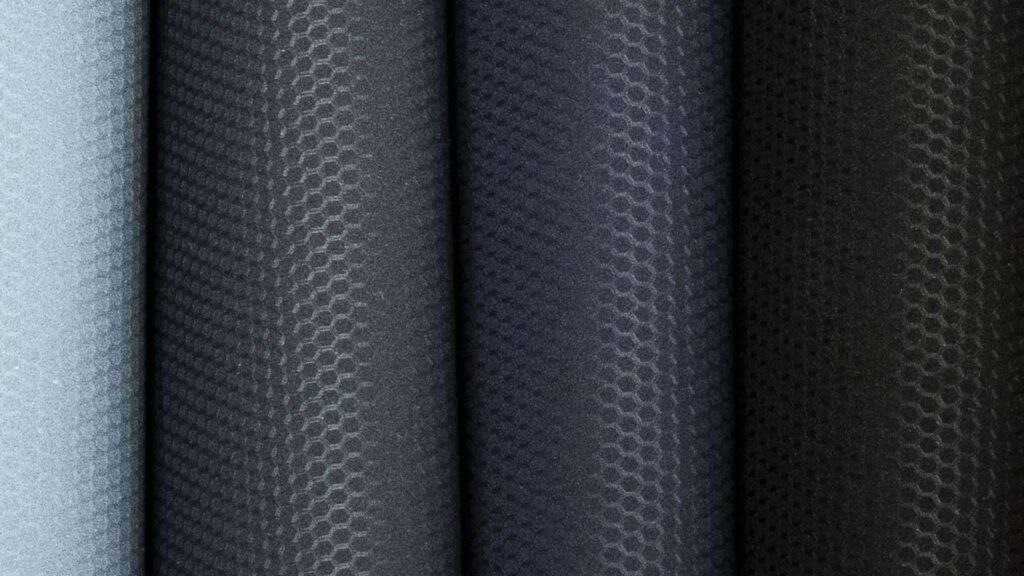
We don't just "fix" boats; we transform them. By using Orca Hypalon, we provide our customers with a vast range of colors and textures, allowing you to customise your RIB to a "like new" standard. Our climate-controlled workshop ensures that our adhesives cure in the perfect environment - something that is impossible to achieve in a damp driveway or an open-air boatyard.
Get Your Free Specialist Assessment
Not sure if you need a patch or a retube? We’ve made the process easy. You don't need to tow your boat to Livingston just for an initial check. Follow our "5 Photo Quote Process" - simply send us clear shots of your boat's profile, the transom join, the seams, the interior deck join, and any specific damage.
Our team of specialists will review your photos and provide a transparent, no-obligation estimate for your project.
Is your RIB ready for its second life? Contact RIB Retube today and let’s get you back on the water with the confidence of a professional Hypalon overhaul.